


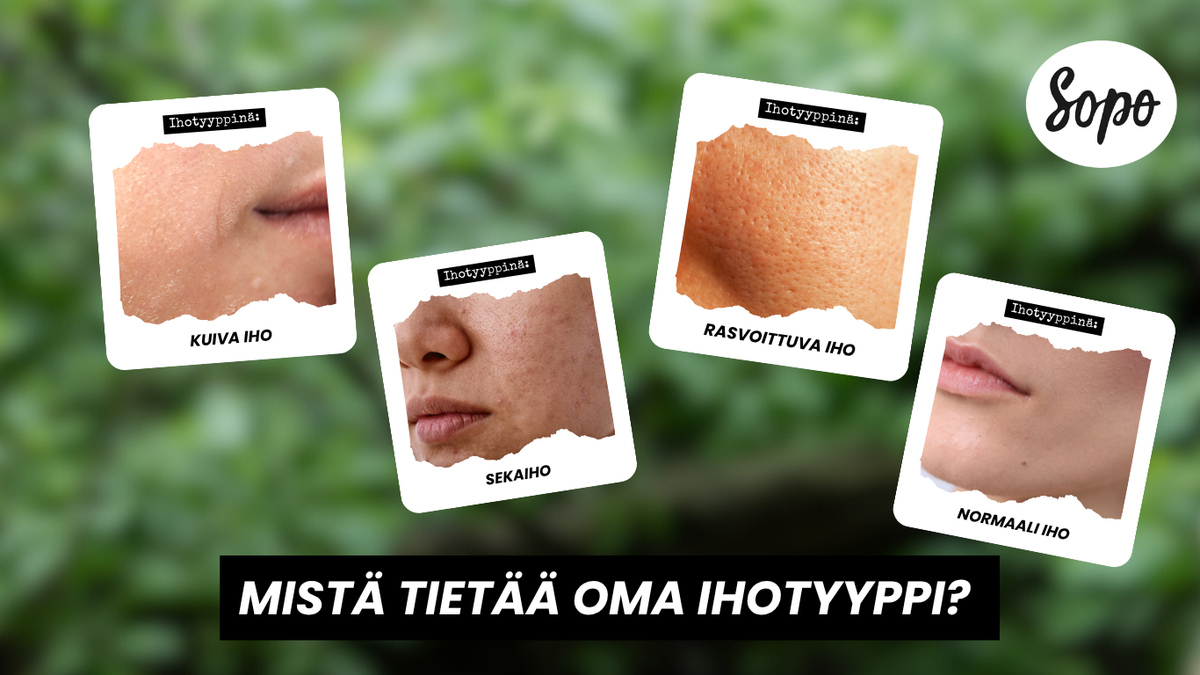
Recognizing your own skin type is the first step toward healthy skin. When you know whether your skin type is dry, oily, combination, or normal, it’s easier to choose skincare products that suit your skin and build an effective skincare routine.
Many people wonder, how to actually recognize their own skin type. For example, dry skin and surface dryness are easily confused, and oily skin can simultaneously suffer from a lack of moisture. That’s why the skin’s momentary feeling doesn’t always tell the whole truth.
In this article, we explain how you can easily identify your own skin type at home, how to distinguish dry skin, oily skin, combination skin, and normal skin from each other, and how to choose natural skincare suitable for your skin.
Skin type and skin condition are not the same thing
One of the most common misconceptions about skincare is that skin type and skin condition mean the same thing.
Skin type indicates how much sebum the skin naturally produces. It usually changes very little over a lifetime. Test your skin type.
Skin condition varies constantly. It is influenced by factors such as season, age, hormones, stress, diet, and lifestyle.
For example:
-
oily skin can be dry on the surface at the same time
-
dry skin can easily become sensitive
-
normal skin can dry out in winter frost
-
any skin type can be sensitive.
That is why in skincare, it is important to consider both your skin type and your skin’s current needs.
Do an easy skin type test at home
If you don’t know your skin type, you can do a simple test at home.
1. Wash your face
Cleanse your face with a gentle cleanser. Avoid strongly drying products to ensure the test result is as reliable as possible.
2. Do not apply anything to your skin
Do not use toner, facial oil, cream, or serum.
3. Wait 2–3 hours
Let your skin recover in its natural state.
4. Observe your skin
Look in the mirror to see how your skin looks and feel how it feels.
The following signs help you identify your own skin type.
 Dry skin as a skin type
How to recognize dry skin?
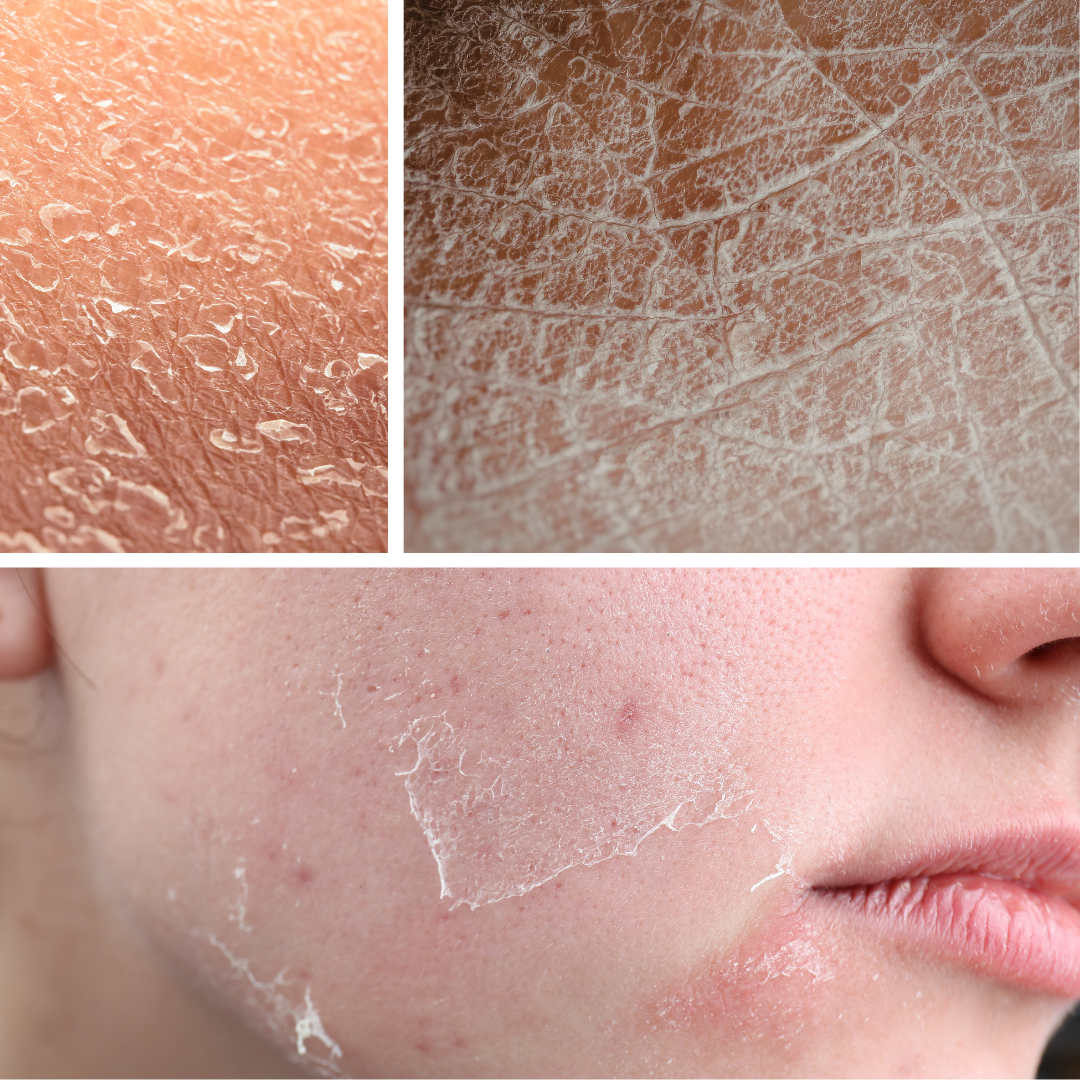
Dry skin often feels tight after washing and otherwise rough, flaky, dull, and sometimes itchy.
Dry skin naturally produces less sebum than other skin types. For this reason, the skin's own protective layer can weaken and moisture can evaporate more easily. Many people especially notice in winter that their skin feels constantly dry, tight, and in need of extra hydration.
Dry Skin Care
The most important thing in dry skin care is to support the skin's own protective barrier and maintain its natural moisture balance. Gentle cleansing, nourishing plant oils, and moisture-binding products help keep the skin soft and healthy. At the same time, it is advisable to avoid water that is too hot and harsh exfoliation, as they can further dry out the skin.
If you suffer from very dry skin, you should also read our article Dry Skin Care – How to Naturally Care for Dry Facial Skin.

Oily Skin Care
Oily skin needs both cleansing and moisturizing. The best results are usually achieved with gentle cleansing and light moisturizing without over-drying the skin.

Combination skin as a skin type
How to recognize combination skin?
Combination skin is one of the most common skin types in Finland. It is typical for different areas of the face to behave differently. The forehead, nose, and chin, known as the T-zone, tend to get oily easily, while the cheeks can feel dry, tight, or even flaky. At the same time, the skin can be surface dry even though it shines throughout the day.
Combination skin can feel challenging to care for precisely because different areas of the face have different needs. However, a balanced and gentle skincare routine helps support the overall well-being of the skin without causing any area to become drier or oilier.
Combination Skin Care
The goal of combination skin is balance. A light but nourishing skincare routine often works well for the entire face. If needed, the driest areas can benefit from, for example, a nourishing facial oil or balm. A gentle face mask can also help maintain the skin's balance.

Do I have dry skin or surface dry skin?
Dry skin and surface dryness are often confused, although they mean different things. Dry skin is a skin type where the skin naturally produces less sebum, whereas surface dryness is a temporary condition of the skin that can affect any skin type – including oily skin.
If the skin feels tight, flakes, or looks dull, it may be surface dryness rather than dry skin type. Surface dryness can be caused by, for example, overly strong cleansing products, dry indoor air, cold weather, excessive sun exposure, or excessive exfoliation. When the skin's moisture balance is restored with the right care, surface dryness usually eases and the skin feels soft and pleasant again without the actual skin type changing.
How to choose the right products for your skin type?
When you know your own skin type, choosing products becomes much easier.
A good skincare routine usually consists of three basic things:
-
gentle cleansing
-
moisturizing and nourishing the skin
-
regular additional care, such as a face mask or exfoliation according to the skin's needs.
Sopo Soap’s natural skincare products gently support the skin’s own balance. Genuine plant oils, natural ingredients, and the Finnish forest biome care for the skin without unnecessary chemical load. That’s why many of our products suit several different skin types—whether your skin is dry, oily, combination, or normal. The products’ simple and nourishing formulas help support the skin’s natural functions instead of burdening it with unnecessary ingredients.
However, remember to listen to your skin. Skin needs can change with the seasons, hormonal activity, life situations, and age, so it’s worth updating your skincare routine as needed. If your skin needs more moisture or nourishment, you can complement your routine with, for example, facial oil, face masks, or other products suited to your skin’s needs.
Frequently asked questions
How do I know my skin type?
The easiest way is to wash your face, wait about 2–3 hours without skincare products, and observe whether your skin feels tight, becomes oily, or stays balanced.
Can oily skin be surface dry?
Yes. Surface dryness is a skin condition characteristic that can also occur in oily skin.
Is sensitive skin its own skin type?
No. Sensitive skin is a characteristic of the skin that can appear in all skin types.
Can skin type change?
Skin type usually changes very little, but hormones, aging, and life situations can affect it. However, skin condition can vary greatly due to factors like seasons, stress, and the environment.
Find Sopo products for your skin type and skin needs
Every skin is unique, and choosing the right products starts with recognizing your skin type and its needs. Sopo Soap’s natural skincare products gently support the skin’s own balance and are suitable for many different skin types and various skin concerns.
Dry skin
When the skin feels tight, flaky, or needs extra moisture, nourishing and hydrating products help support the skin’s natural protective barrier. Explore products for dry skin.
Oily skin
Oily skin needs gentle cleansing and balancing hydration to keep the skin's natural oil production in check. Explore products for oily skin.
Combination skin
Combination skin benefits from products that moisturize drier areas while also supporting the balance of the oily T-zone. Explore products suitable for combination skin.
Sensitive Skin
Sensitive skin needs the gentlest possible products that soothe the skin and support its natural protective barrier. Explore products for sensitive skin.
Acne-Prone and Impurity-Prone Skin
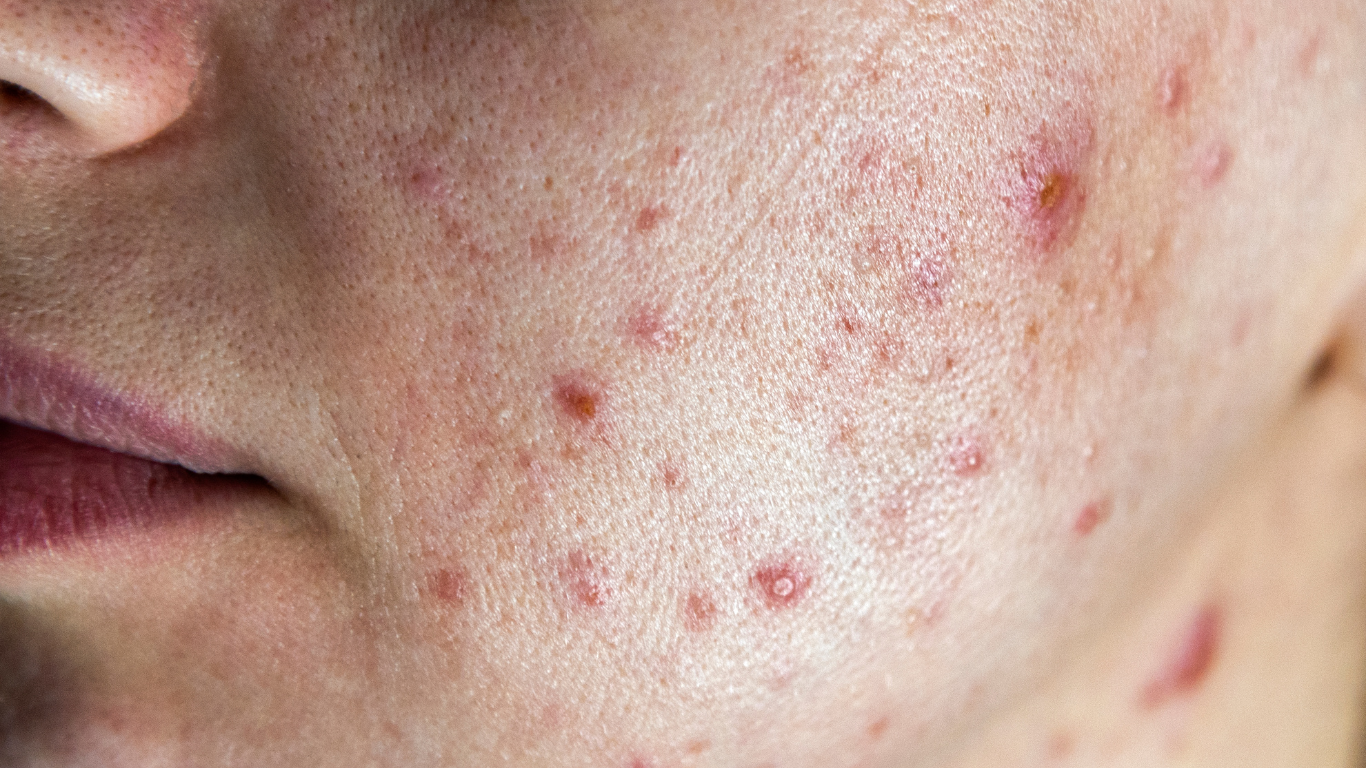
The most important thing in acne care is to cleanse the skin gently without disturbing its natural balance. Discover products suitable for acne-prone skin. Also, read our article on natural acne care.
Red Skin and Rosacea
Red and easily reactive skin benefits from soothing, natural products that support skin wellness without unnecessary burden. Explore products for rosacea and red skin.
Atopic Skin
Atopic skin requires as simple and nourishing care as possible to help strengthen the skin’s natural protective barrier. Discover products suitable for atopic skin.
Men’s Skincare
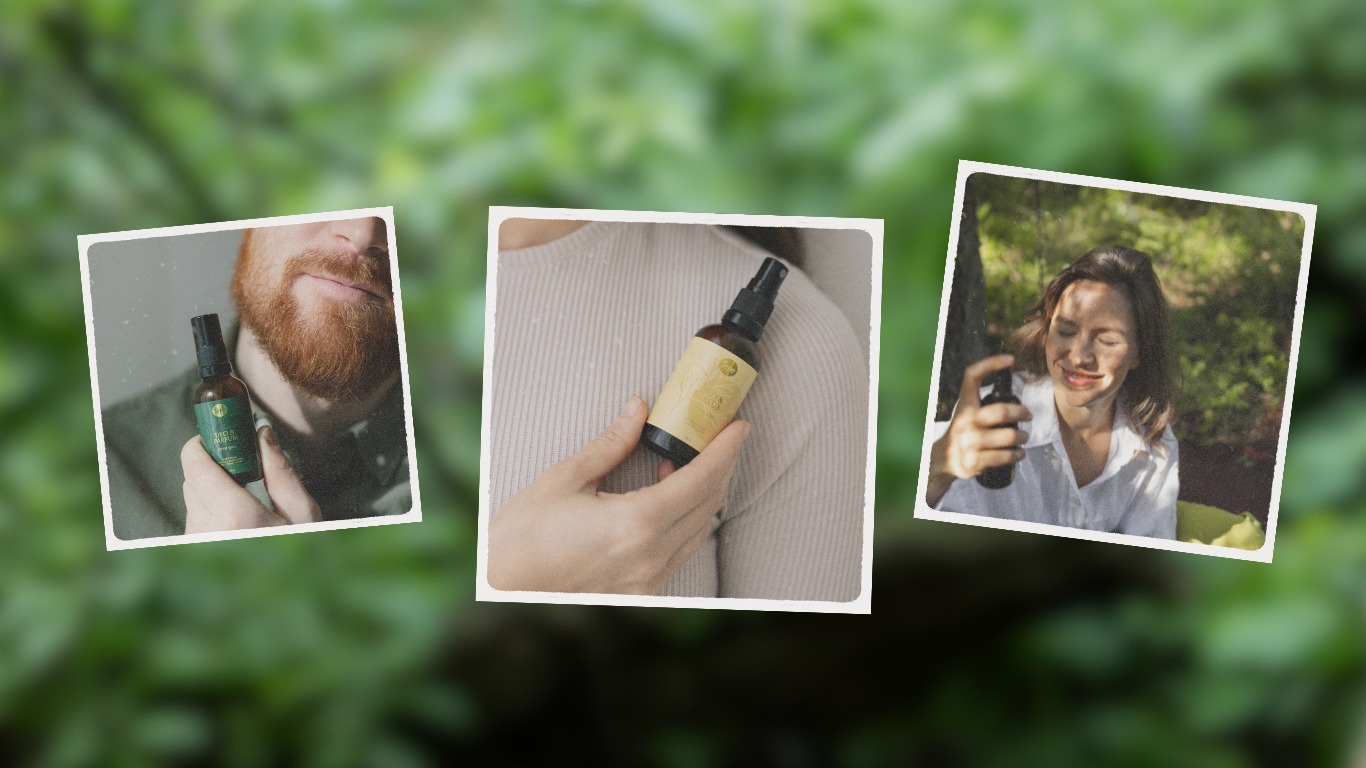
Men’s skin has its own needs, especially when it comes to shaving. Natural skincare products make daily skin care easy and effective. Explore men’s skincare products.

Summary
Recognizing your own skin type is the first step toward healthy skin. When you know whether your skin is dry, oily, combination, or normal, it’s easier to choose products that suit your skin and build an effective skincare routine.
However, skin type alone does not tell the whole story. The current needs of the skin, such as surface dryness, sensitivity, impurities, or redness, also affect the kind of care the skin requires at any given time. That’s why it’s important to regularly observe your skin and adjust your skincare routine according to factors like the seasons, hormonal changes, and life circumstances.
Only when you learn to listen to your skin and support its natural balance with gentle, natural products do you give your skin the best possible conditions to thrive every day of the year. 🤍





0 comments